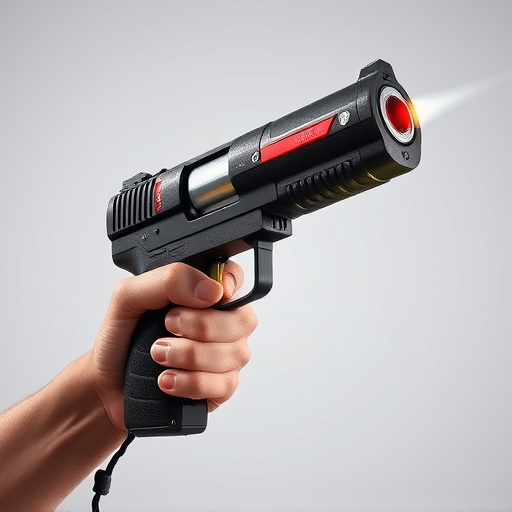
In the US, civilian ownership of a master blaster stun gun is governed by varying state laws, ranging from unrestricted to highly regulated. While some states allow open carry and have minimal requirements, others mandate permits, specific voltage limits, and age restrictions. Balancing personal rights and public safety, these regulations reflect ongoing debates about stun gun accessibility and responsible use. Staying informed about local legislation is crucial for those considering purchasing a master blaster stun gun.
“Uncovering the legal landscape surrounding civilian taser ownership, this comprehensive guide delves into state-by-state regulations regarding master blaster stun guns. From federal laws to eligibility criteria, we explore who can legally own a civilian taser and how recent legislative shifts have impacted access. Understanding these requirements is essential for those interested in purchasing such devices, ensuring compliance with local statutes. Dive into this insightful article to navigate the complex world of stun gun legislation.”
- Understanding Civilian Taser Ownership: A Legal Perspective
- Federal Laws and Regulations Regarding Stun Guns
- State-Specific Requirements for Purchasing a Master Blaster Stun Gun
- Eligibility Criteria: Who Can Own a Civilian Taser?
- The Impact of Recent Changes in Stun Gun Legislation
Understanding Civilian Taser Ownership: A Legal Perspective
Understanding civilian taser ownership involves navigating a complex web of state laws and regulations, especially when referring to popular devices like the master blaster stun gun. In the United States, the legal framework around non-law enforcement stun guns, including Tasers, varies significantly from state to state. Some states allow open carry, while others restrict or prohibit civilian ownership entirely. Additionally, specific requirements such as permit systems, waiting periods, and age restrictions are commonplace.
These laws often aim to balance individual rights with public safety concerns. Proponents of civil taser ownership argue for personal protection and the right to self-defense, while opponents raise issues of misuse, accidental discharge, and potential escalation of violence. As a result, staying informed about local legislation is crucial for anyone considering purchasing a master blaster stun gun.
Federal Laws and Regulations Regarding Stun Guns
The ownership and use of stun guns, also known as master blasters, are regulated by a combination of federal and state laws in the United States. While there is no specific federal ban on civilian ownership of stun guns, the Federal Trade Commission (FTC) regulates their sale and marketing. The FTC requires manufacturers to ensure that stun guns meet certain safety standards, and dealers must comply with record-keeping requirements.
State laws vary significantly regarding the possession and use of stun guns. Some states allow citizens to carry stun guns without a permit, while others require a license or registration. Additionally, many states have specific restrictions on the type, voltage, and capacity of stun guns that can be owned privately. These regulations are designed to balance personal safety with public safety, ensuring that stun guns are not misused.
State-Specific Requirements for Purchasing a Master Blaster Stun Gun
In the United States, the requirements for purchasing a master blaster stun gun (a common term for stun guns) vary from state to state. Potential buyers must understand and adhere to local laws to ensure legal compliance when acquiring this personal safety device. Some states have relatively relaxed regulations, allowing anyone over a certain age to purchase a stun gun without a background check or waiting period. Others impose stricter controls, requiring permits or licenses and sometimes even specific training certifications.
Key factors that influence state-specific requirements include the overall stance on firearm ownership, local crime rates, and public safety concerns. States with more stringent gun control measures are likely to have more rigorous regulations for stun guns, including detailed registration processes and restrictions on certain models or capacities. On the other hand, states known for their support of personal defense rights may have more liberal laws, making it easier for civilians to own and carry a master blaster stun gun.
Eligibility Criteria: Who Can Own a Civilian Taser?
In most states, civilian ownership of a master blaster stun gun (commonly referred to as a Taser) is legal for individuals who meet specific criteria. The primary focus is on ensuring responsible use and that the owner can handle such a device safely and legally. Age is often a key factor; individuals must typically be 18 years or older to purchase a Taser, with some states setting a higher age limit of 21.
Beyond age, other eligibility criteria include a clean criminal record or no history of domestic violence. Some states require a permit or license to carry a stun gun, while others allow open carry without a permit. Additionally, specific training or certification might be mandatory to prove the owner understands the device’s operation and potential risks, ensuring they can use it responsibly if needed.
The Impact of Recent Changes in Stun Gun Legislation
Recent changes in stun gun legislation have significantly shifted the landscape for civilian ownership, particularly with the increasing popularity of devices like the master blaster stun gun. These shifts reflect a growing recognition of stun guns as personal safety tools and a desire to balance individual rights with public safety concerns. As a result, many states have adopted more inclusive policies, allowing civilians to carry stun guns openly or concealed, without requiring a special license or permit.
The ease of access to master blaster stun guns and similar devices has sparked debates about their potential misuse. While advocates argue that responsible citizens should have the right to protect themselves, critics raise concerns about accidental discharges, increased violence, and the potential for these devices to fall into the wrong hands. Consequently, some states have implemented restrictions on who can purchase stun guns, such as age limits, background checks, or waiting periods, aiming to mitigate these risks.
In conclusion, navigating the legal landscape surrounding civilian taser ownership, particularly the requirements for purchasing a powerful tool like the Master Blaster stun gun, is essential for responsible citizens. While federal laws set some standards, state-specific regulations play a crucial role in determining who can own and carry these devices. Recent changes in legislation have further complicated matters, highlighting the importance of staying informed and understanding one’s rights and responsibilities when considering civilian taser ownership.